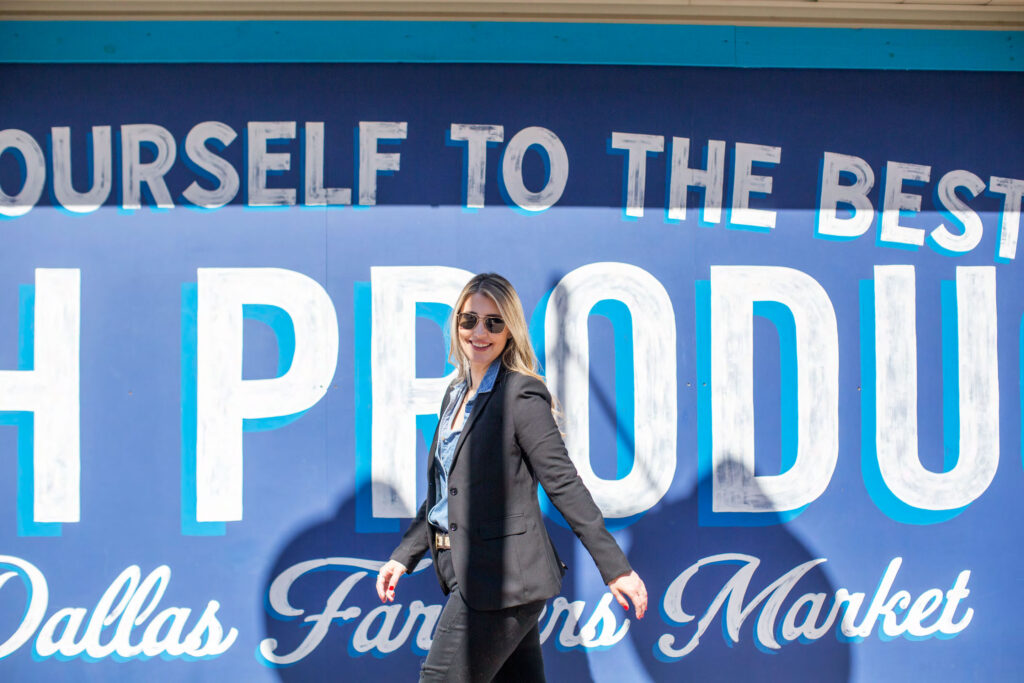
Inside the real estate story behind the Dallas Farmers Market District — and how developer Tanya Ragan helped revive an entire section of downtown Dallas through investment, leadership, and one of the most complex historic building relocations ever completed in the city.
For more than a decade, the Dallas Farmers Market District has become one of the most vibrant neighborhoods in downtown Dallas — a place where people live, work, and visit from across the region.
Today the district includes thousands of residents, restaurants, office space, retail, and a thriving farmers market that draws hundreds of thousands of visitors each year. It is widely considered one of the top tourist destinations in downtown Dallas and the largest residential neighborhood in the city’s urban core.
But the story of the Dallas Farmers Market development began at a time when the district was on the brink of disappearing.
And it began when developer Tanya Ragan, founder of Wildcat Management, stepped in and decided to rebuild the neighborhood herself.
When the Dallas Farmers Market Nearly Disappeared
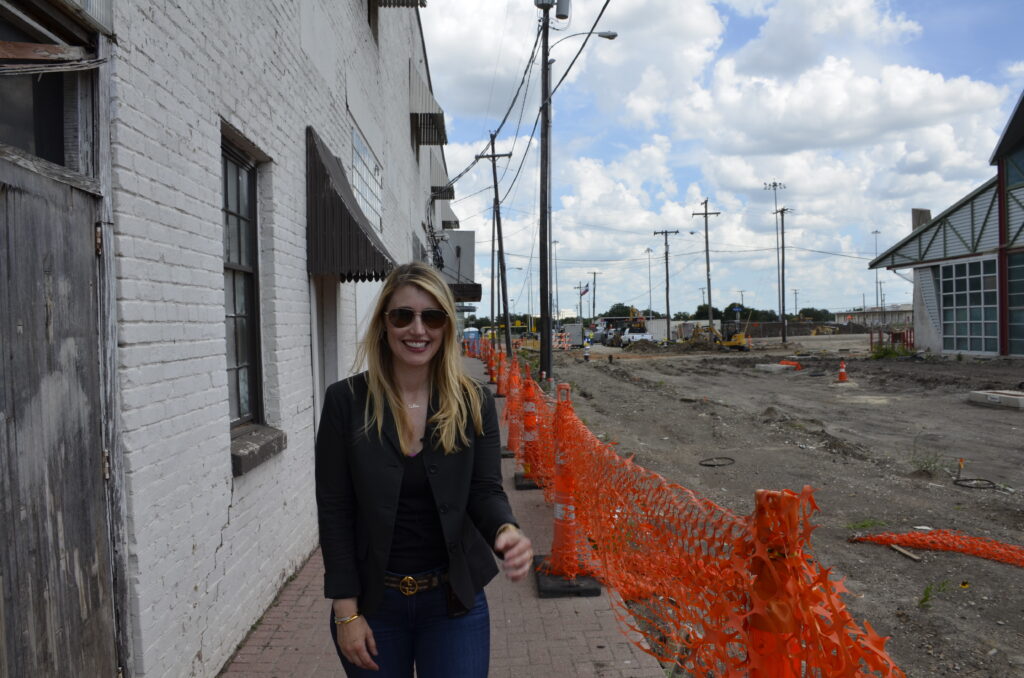
In the early 2010s, the area surrounding the Dallas Farmers Market looked nothing like it does today.
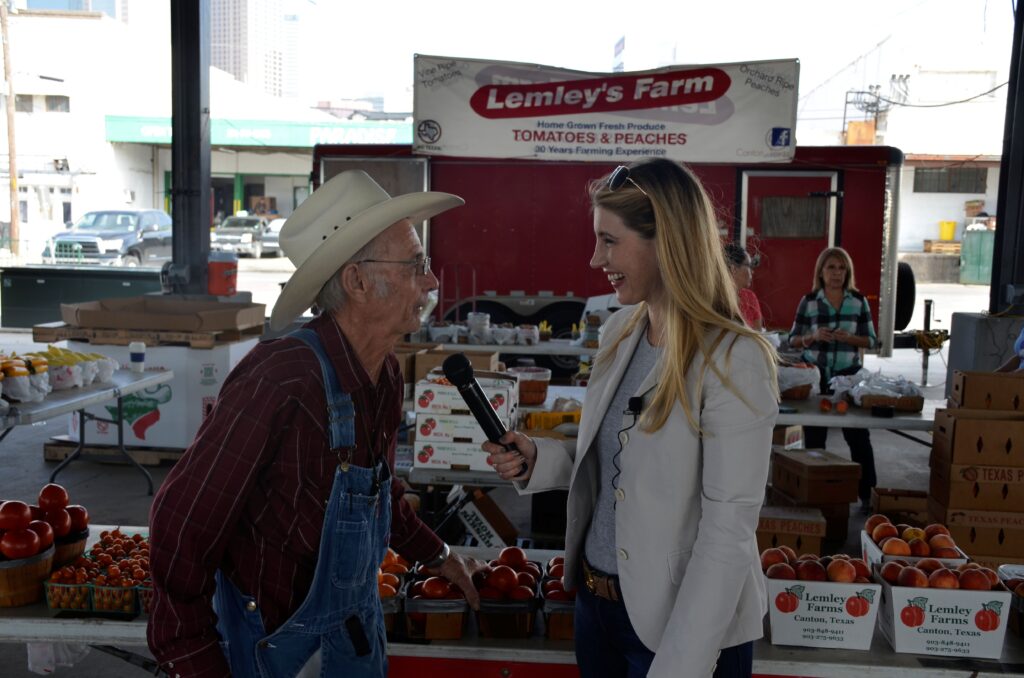
The historic city-owned market was losing roughly $1 million per year, and city officials were actively discussing closing the market, bulldozing it, and redeveloping the land.
The surrounding district was largely made up of aging produce warehouses and distribution buildings operated by multi-generational wholesalers supplying restaurants and grocery stores across Dallas.
Despite the location near downtown, the neighborhood struggled with:
- aging infrastructure
- safety concerns
- little residential activity
- declining economic momentum
For many investors, the district looked like a forgotten warehouse zone.
Tanya saw a completely different opportunity.
Building the Organization That Revived the District
Rather than waiting for the city to act, Tanya began organizing property owners and businesses in the area.
She founded the Farmers Market Stakeholders Association, a business organization created to unify property owners and spearhead the revitalization of the district.
The organization led the push to privatize the Dallas Farmers Market, which was eventually put out to bid with the requirement that a portion of the land remain a public farmers market serving local growers.
At the same time, Tanya began taking direct action through her own company.
Wildcat Management put capital into the neighborhood — buying land, assembling properties, and investing in redevelopment projects designed to prove the district could work again.
This wasn’t advocacy. It was investment.
Putting Capital Behind the Vision
While the Farmers Market Stakeholders Association pushed for privatization and revitalization, Tanya moved forward with redevelopment through Wildcat Management.
Her company began acquiring land in the district and investing in projects that would bring life back to the area.
Tanya believed that small projects with short timelines could spark momentum faster than waiting years for large developments.
Those early projects created a domino effect.
New businesses opened.
More people began visiting the area.
And investors started to take notice.
Saving the Liberty Building and Moving It Brick by Brick
The most dramatic project in the early redevelopment of the district involved the Liberty Building, the oldest commercial building in downtown Dallas.
The city planned to demolish the structure as part of a road project.
Instead, Tanya stepped in.
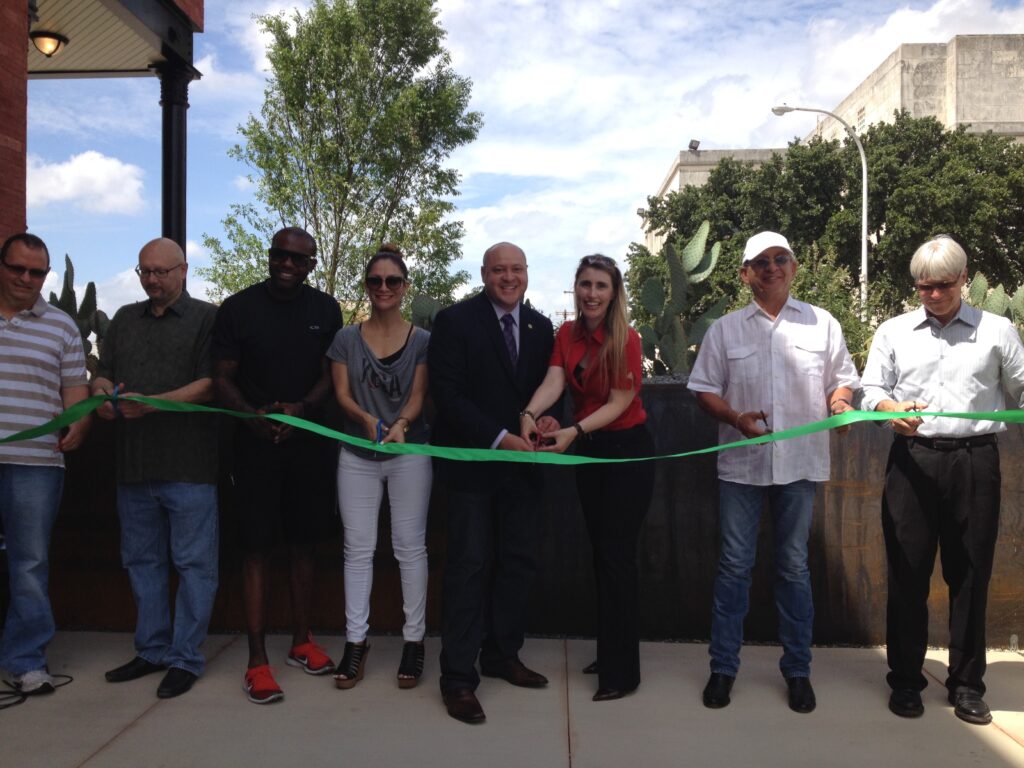
Through Wildcat Management, she acquired the building and led one of the most complicated historic preservation efforts ever undertaken in downtown Dallas.
The building was dismantled brick by brick and relocated to the Farmers Market District, where it was reconstructed as a centerpiece of the neighborhood’s revitalization.
The project created approximately 5,000 square feet of restaurant and retail space, and Tanya secured tenants before the building was even relocated.
The message to the market was clear:
The Farmers Market District was coming back.
Today the Liberty Building stands as one of the most recognizable landmarks in the neighborhood — and a symbol of the district’s revival.
Creating the Farmers Market District
During the early redevelopment phase, Tanya also helped define the identity of the neighborhood.
She began referring to the area as the “Farmers Market District,” encouraging property owners and businesses to use the name in marketing and media outreach.
Over time, the branding took hold.
Today the Farmers Market District appears on city planning maps and development discussions, reflecting the neighborhood’s transformation into one of the most active districts in downtown Dallas.
What the Farmers Market District Looks Like Today
The impact of the redevelopment has been significant.
The Dallas Farmers Market was ultimately privatized and redeveloped, while the surrounding district experienced major residential and commercial investment.
Today the Farmers Market District includes:
- roughly 40 acres across more than 10 city blocks
- approximately 4,500 residents
- restaurants, retail, breweries, and office space
- a large indoor food hall open seven days a week
- a public farmers market where local farmers sell fresh produce on weekends
The district has become a place where people live, work, and gather, drawing both residents and tourists from across the region.
A Developer Deeply Involved in Downtown Dallas
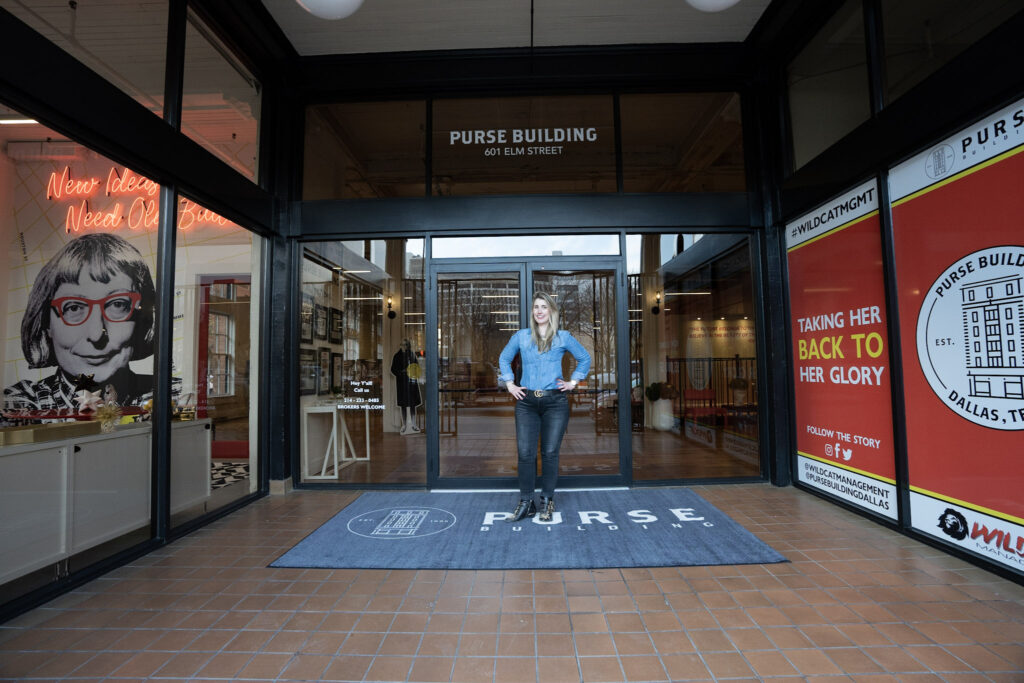
Over the years, Tanya has played a broader role in shaping downtown Dallas.
She has worked extensively with city leaders, served on commissions and hiring committees, and advocated for development initiatives at both the local and state level.
“There is not much in downtown Dallas that I haven’t been involved with in some capacity,” Tanya said. “From working with city leaders to investing directly in neighborhoods, my goal has always been to help build long-term momentum.”
Timeline of Dallas Farmers Market Development
2010–2012
Early redevelopment activity begins as Tanya organizes property owners and forms the Farmers Market Stakeholders Association.
2013–2014
Wildcat Management relocates and reconstructs the historic Liberty Building in the Farmers Market District.
2015–2018
Major residential development accelerates as the district begins attracting new investment.
Today
The Farmers Market District is the largest residential neighborhood in downtown Dallas and a major destination for residents and visitors.
Lessons from the Dallas Farmers Market Development
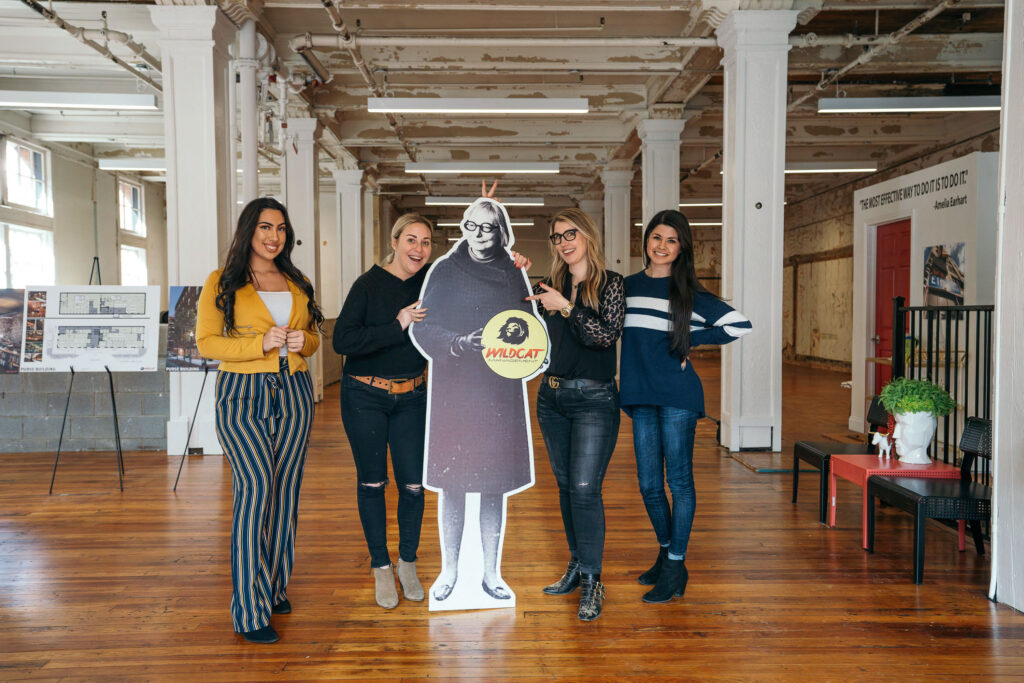
The transformation of the district highlights an important lesson about urban redevelopment.
Major neighborhood change often begins with decisive action from developers willing to invest early.
Small projects can move faster than large developments.
And when those projects succeed, they create momentum that attracts larger investment.
The Farmers Market District is now widely seen as one of the most successful examples of downtown Dallas revitalization.
But it began with one developer deciding the neighborhood was worth saving — and backing that belief with capital, leadership, and execution.